What does genuine inclusion in social work classrooms look like?
Welcome! This platform makes learning fit your life, not the other way around. Led by Guglielmo Tierros—who’s honestly passionate about real-world education—you’ll find courses and resources that actually meet you where you are, at your own pace.
Connect with our course: "Building Inclusive Social Work Practice Through Lived Experience and Dialogue"
Step In—Discover New Perspectives Together
Our whole approach to diversity and inclusion in social work—what we ended up calling “career_development”—really took shape after Guglielmo Tierros spent months listening to practitioners who felt something essential was missing from the well-trodden frameworks. There was this pattern: people who benefited most weren’t always from the groups you’d expect. Sure, students from underrepresented backgrounds gained tools to shape their own voice, but I noticed that practitioners with years of experience—those who thought they “got it”—were often the ones who made the biggest leaps. Maybe because they’d seen enough to realize what kept tripping them up wasn’t theory, but the messy, lived experience of clients who didn’t fit textbook categories. (It almost reminds me of that time in New Haven, when a veteran social worker told me she was “unlearning” as much as she was learning.) Honestly, the hardest bits are never just about “awareness.” It’s the everyday application that gets sticky. For instance, the second aspect we focused on—how power dynamics and intersectionality play out in actual casework—seems straightforward in a training handout but grows tangled fast in real life. People trip over their own assumptions, or get stuck when organizational cultures subtly discourage rocking the boat. And yet, I’m always a little thrilled when I see someone shift from that surface-level nod to a more rigorous, sometimes uncomfortable, self-examination. You know, the moment when a practitioner recognizes not just the diversity in their caseload, but the specific ways their own presence—accent, age, even how they hold their notebook—shapes the space. That’s when it starts to feel less like a check-box exercise and more like a living practice. (If you’ve ever read Crenshaw’s early work on intersectionality, you’ll know the feeling: complexity that refuses to flatten out.) Change happens unevenly. For some, it’s a gradual thickening of awareness—their questions get sharper, more nuanced. Others, especially those in frontline roles, describe moments that are almost jarring: they realize their “helping” sometimes upholds systems they want to challenge. What’s become clear is that the biggest shifts in capability aren’t about memorizing new terms or policies, but about learning to sit with discomfort, to notice what’s easy to ignore. We didn’t set out to make it easy, frankly. The aspiration is there, sure, but the reality is a lot of false starts and second-guessing. And yet, each time a practitioner chooses to risk vulnerability, to ask the tougher questions, it feels like we’re inching the field forward—however imperfectly. (I’m reminded of a conversation with a new grad who kept a copy of “Pedagogy of the Oppressed” on her desk, dog-eared and scribbled with notes—proof that the process is never quite finished.)
Superior Results
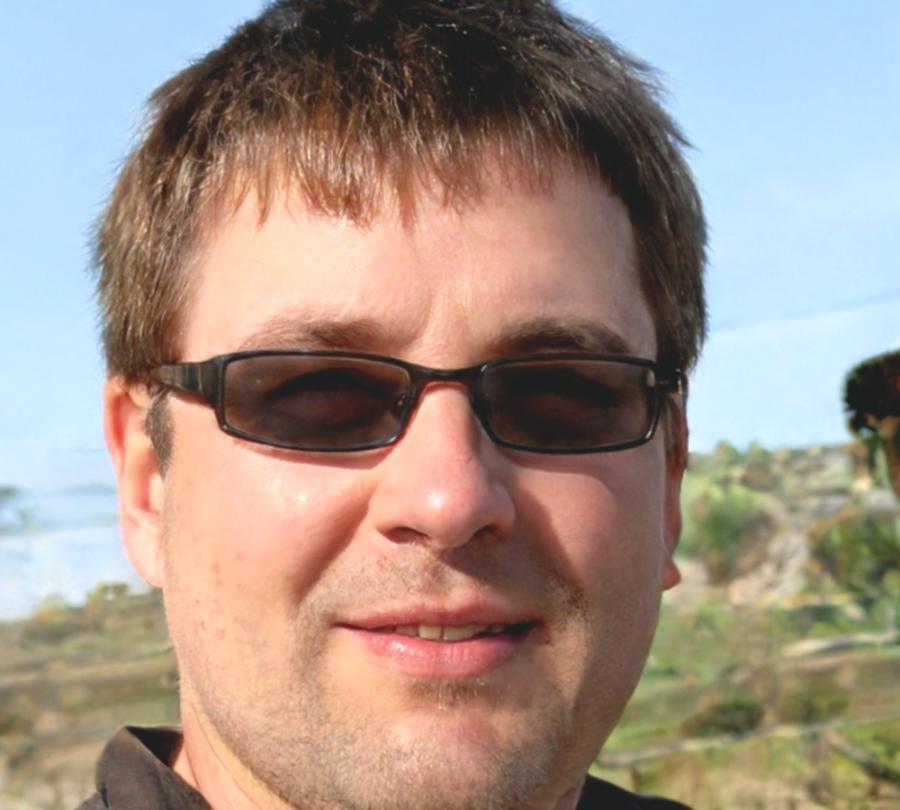
Payton
Such progress—turns out, opening doors for others actually opens up a lot more for my own social work journey.
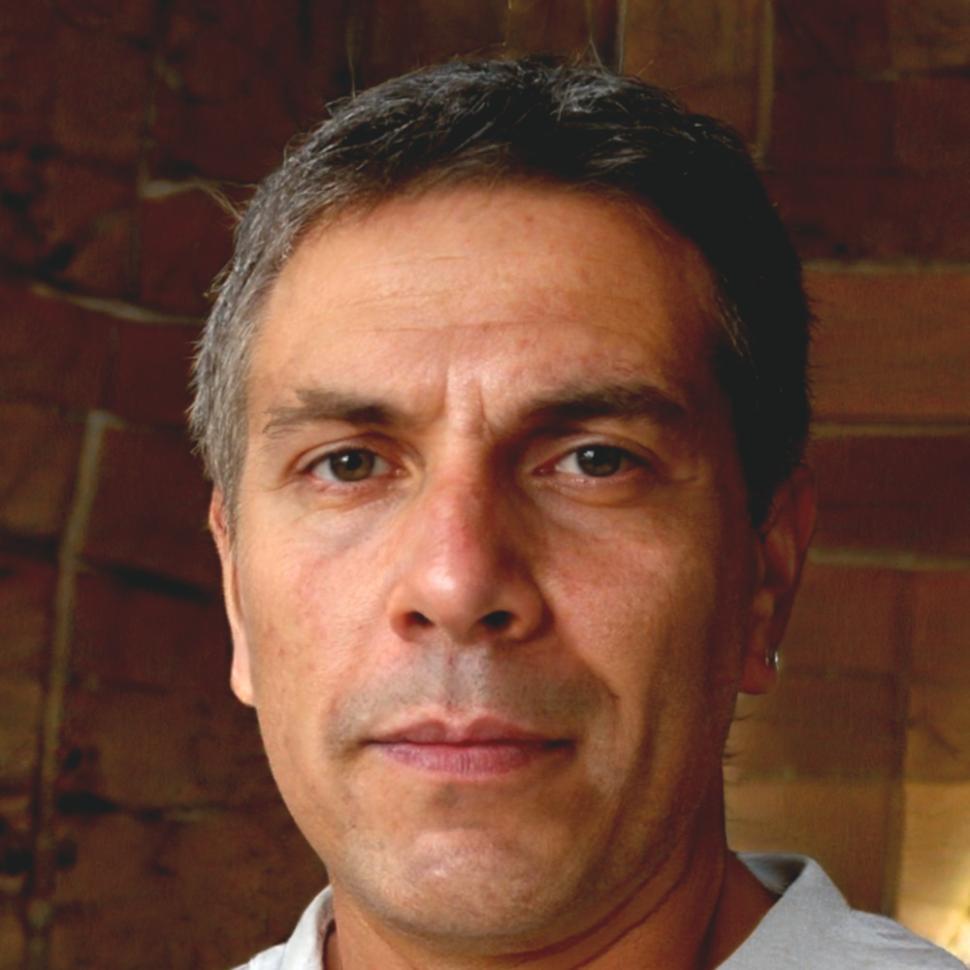
Kenzie
Discovered: Diversity isn't just a buzzword—it's my daily reality check as a social work student (and yes, it keeps me on my toes!).
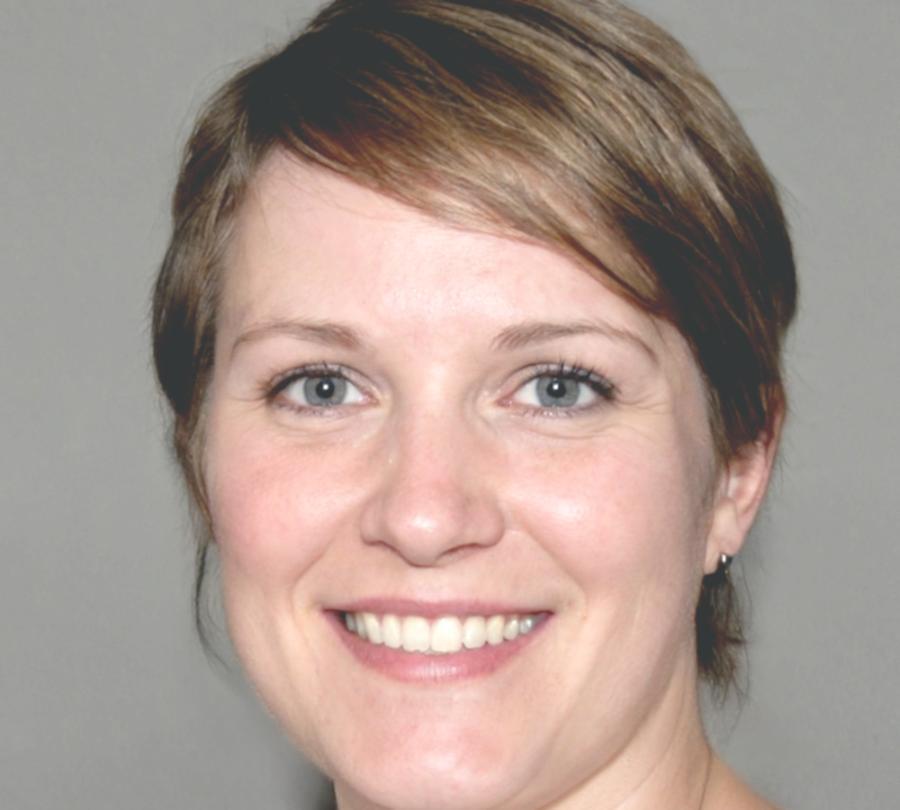
Jocelyn
Two key insights—true inclusion grows from shared stories, and my classmates made every discussion richer.
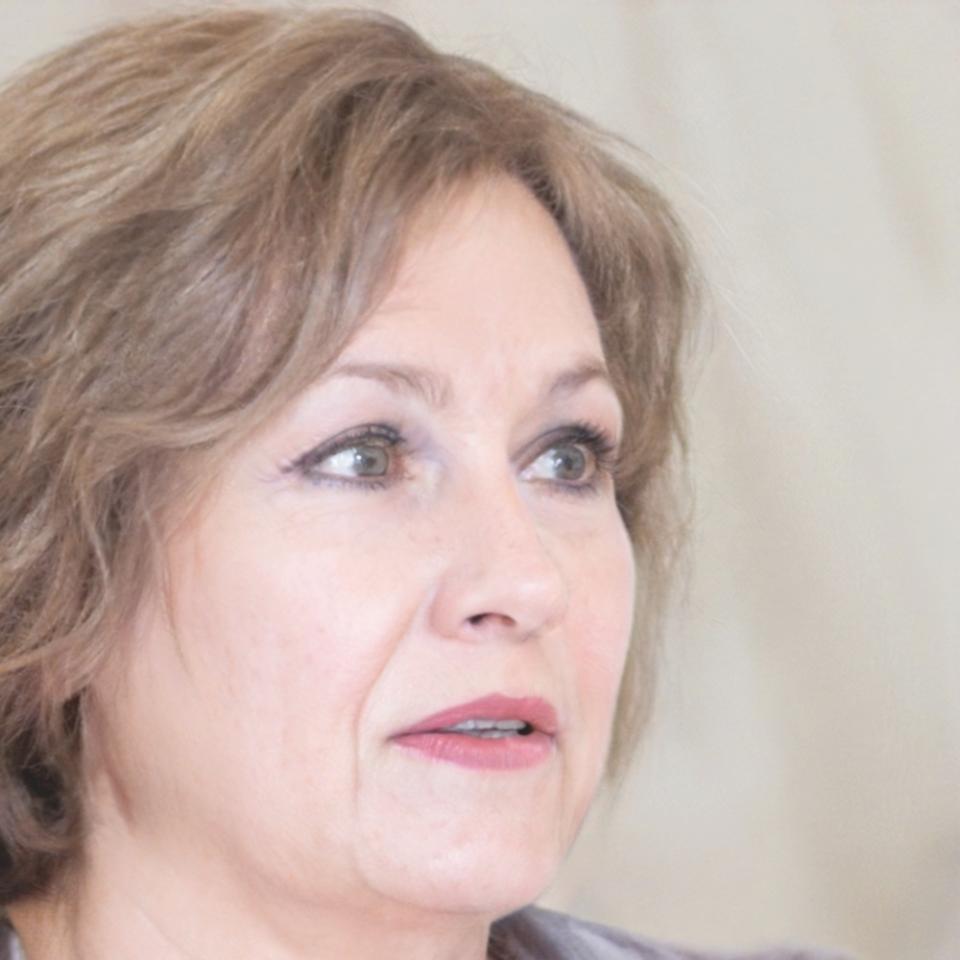
Quinn
Acquired: real skill in cultural humility—honestly, it’s opened doors for me in social work I hadn’t considered.